Job Overview
Location: Minden Hills, Ontario
Structure: Two-story detached house with attached garage
Problem: Bats entering and occupying the attic through roofline gaps
Service: Humane bat removal and wildlife exclusion
Visits: 3
Summary
We responded to reports of bats inside the attic of a two-story detached home in Minden Hills. Grant completed a full exterior inspection, confirmed active bat entry at the roofline, and installed a one-way bat door to allow the colony to leave safely. After the homeowner approved additional exclusion work, vulnerable entry points around the roof and exterior were permanently secured. A final visit confirmed the bats had exited, the one-way door was removed, and no further activity was reported.
Background / Property Context
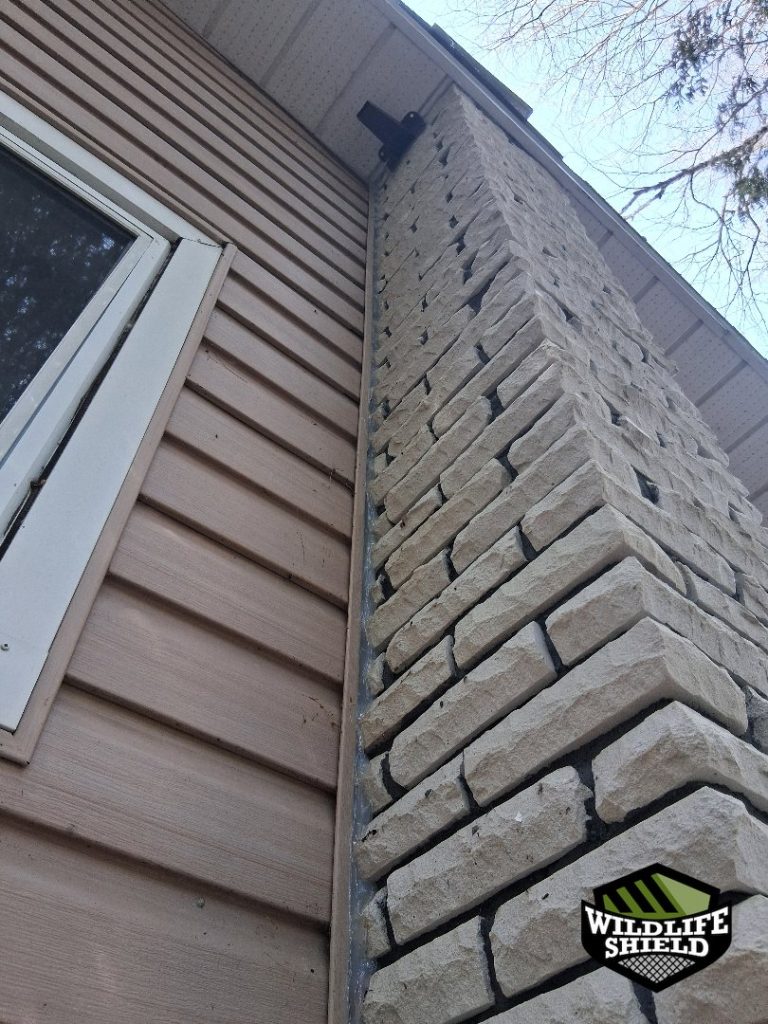
The property is a two-story detached home with a shingled roof, masonry chimney, brick and siding transitions, plumbing vent penetrations, and roof ventilation components. These construction details can create narrow gaps that are suitable entry points for bats if they are not fully sealed.
Customer Concern
The homeowner reported bats inside the attic and wanted the wildlife removed without causing harm. A long-term solution was requested to prevent future entry.
Inspection & Findings
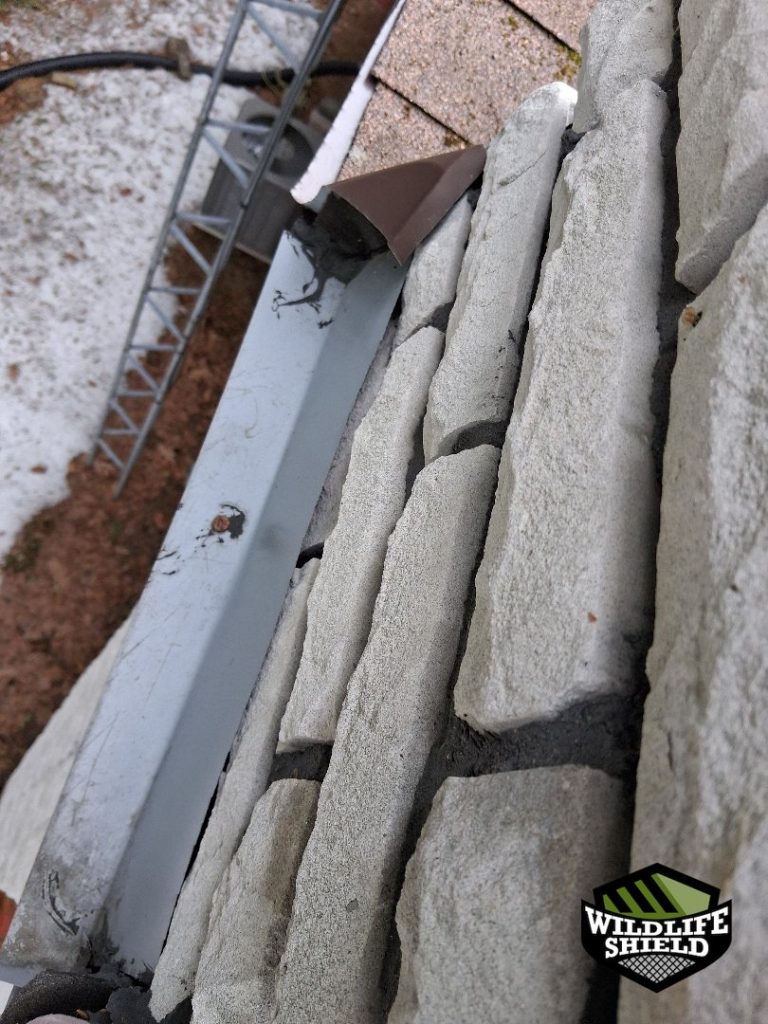
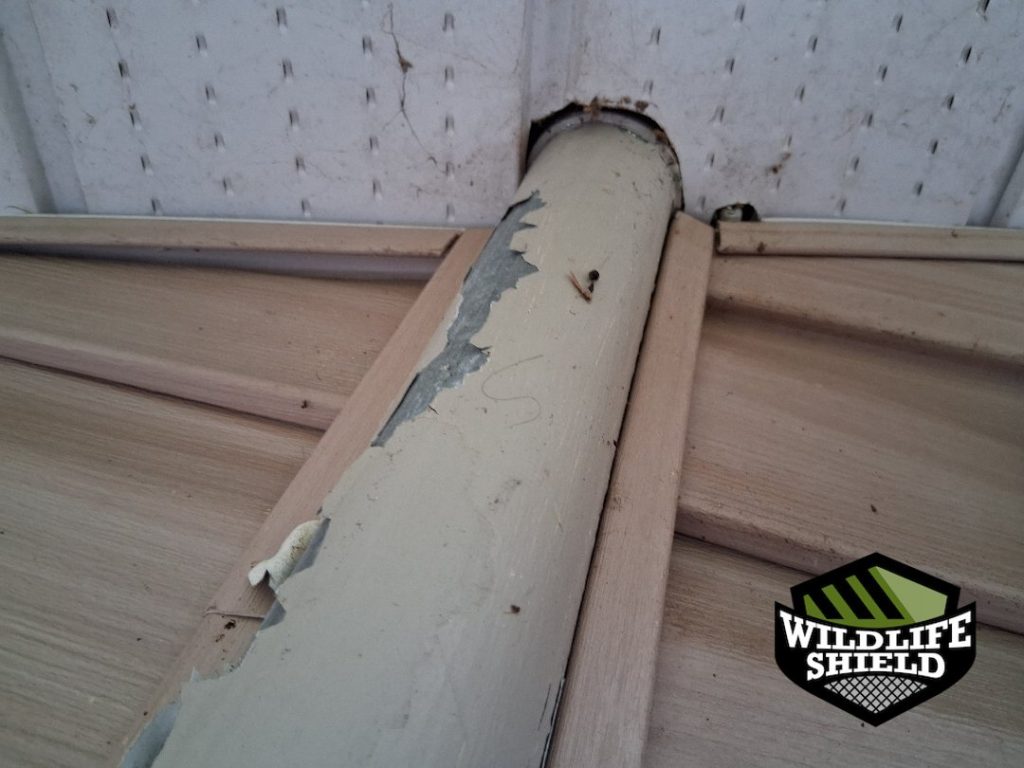
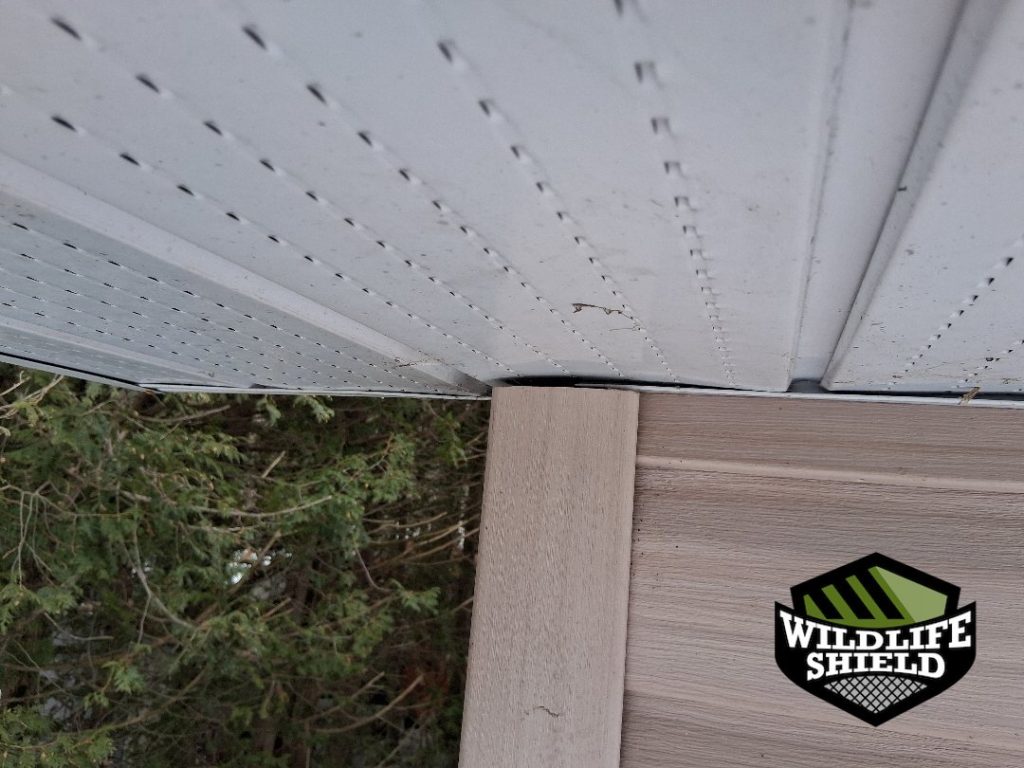
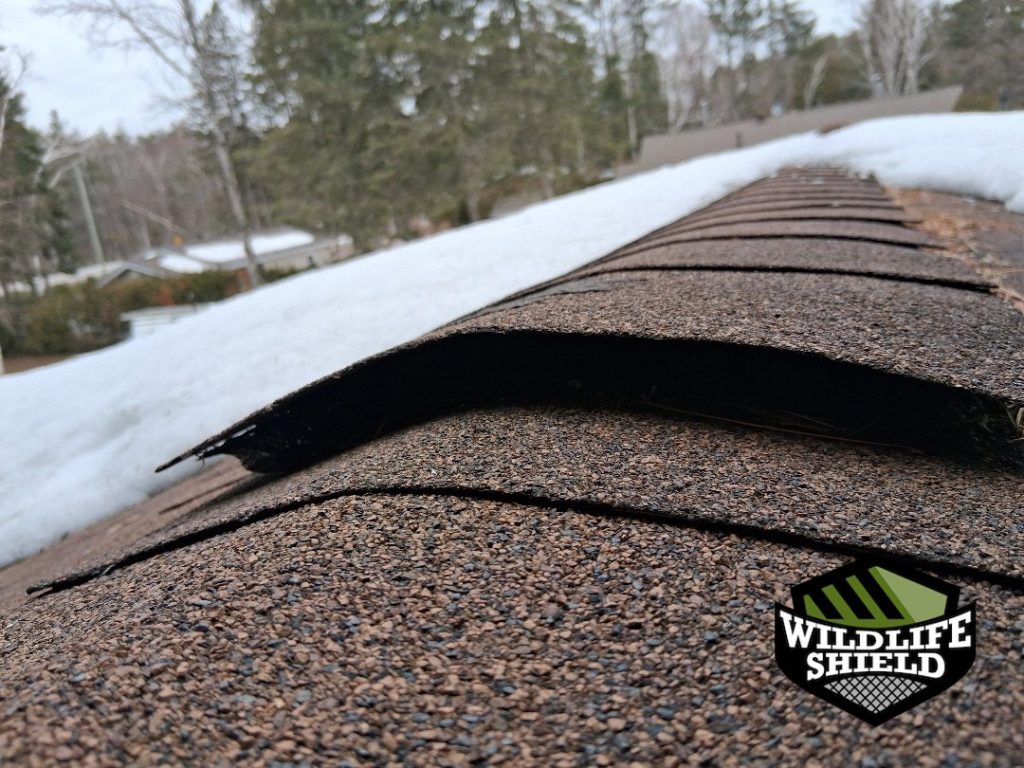
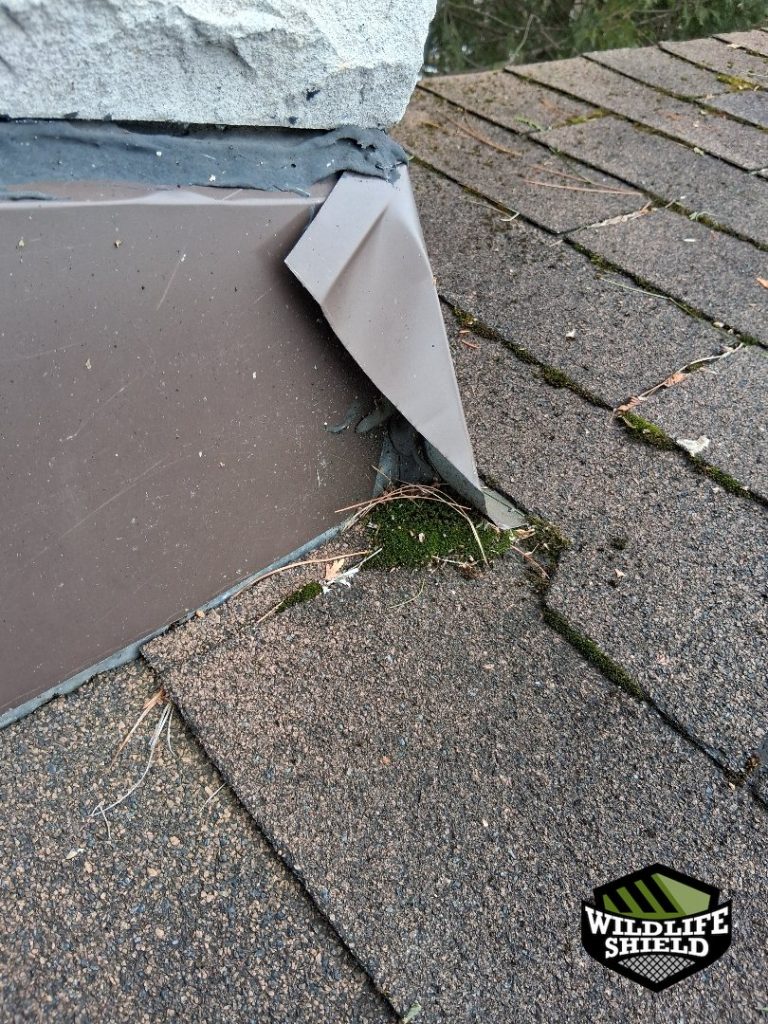
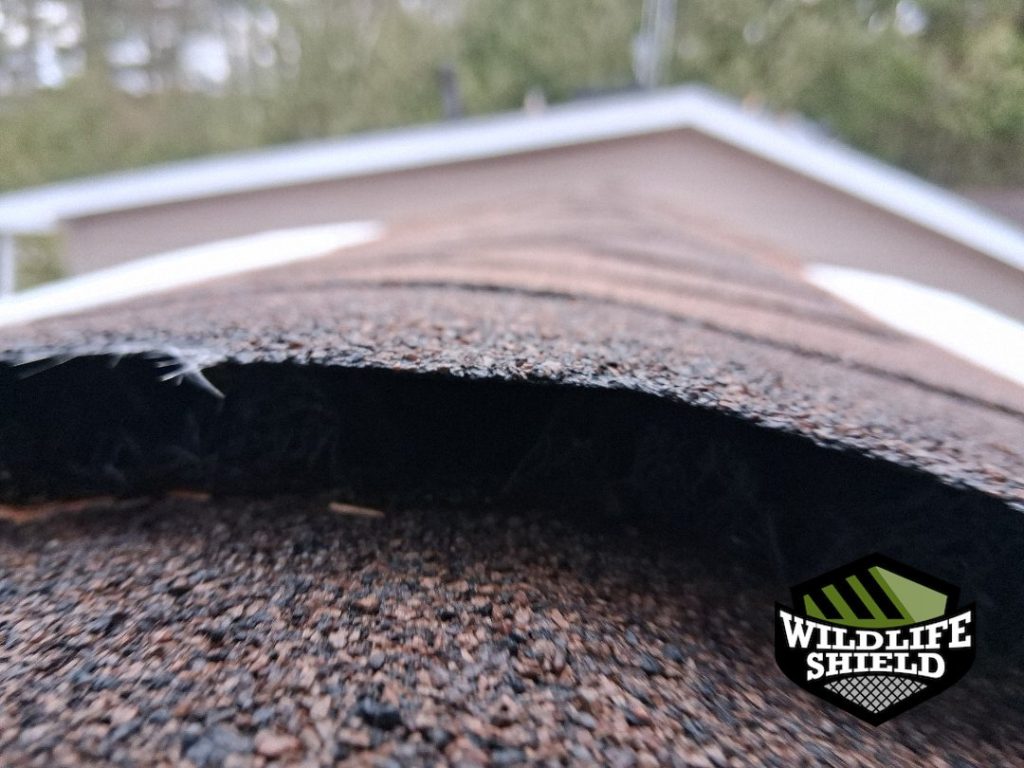
Grant performed a complete exterior inspection of the roofline and identified the primary bat entry point along a roofline gap. Additional inspection found open brick-to-siding joints and other construction gaps that could provide secondary access if left unsealed.
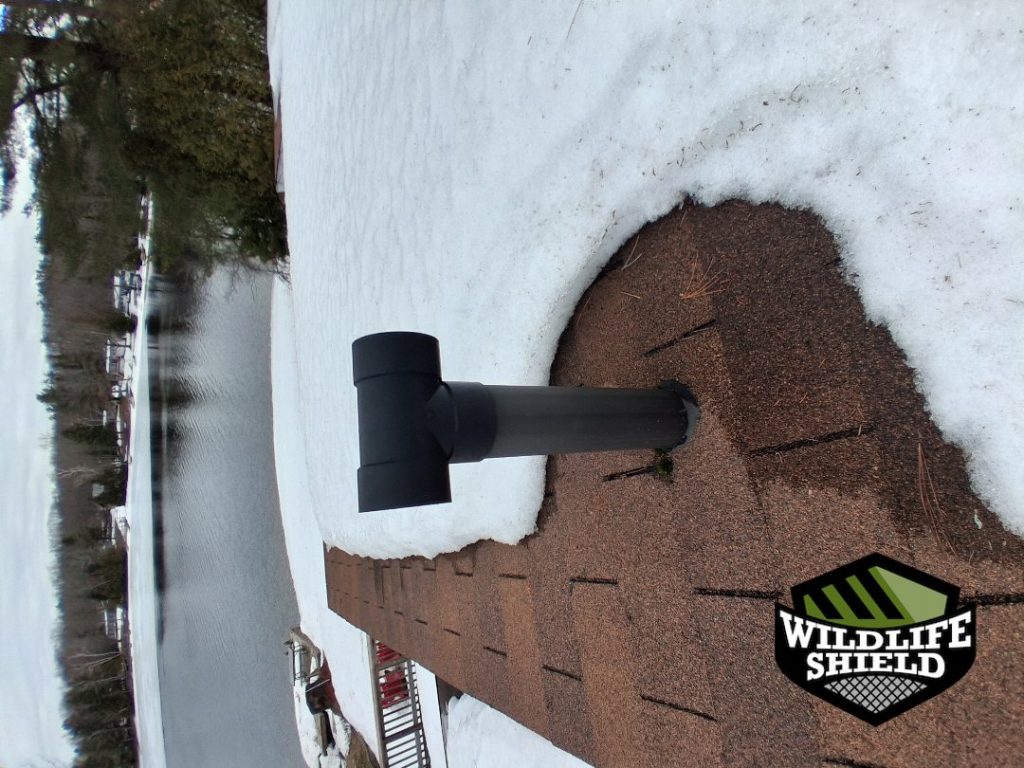
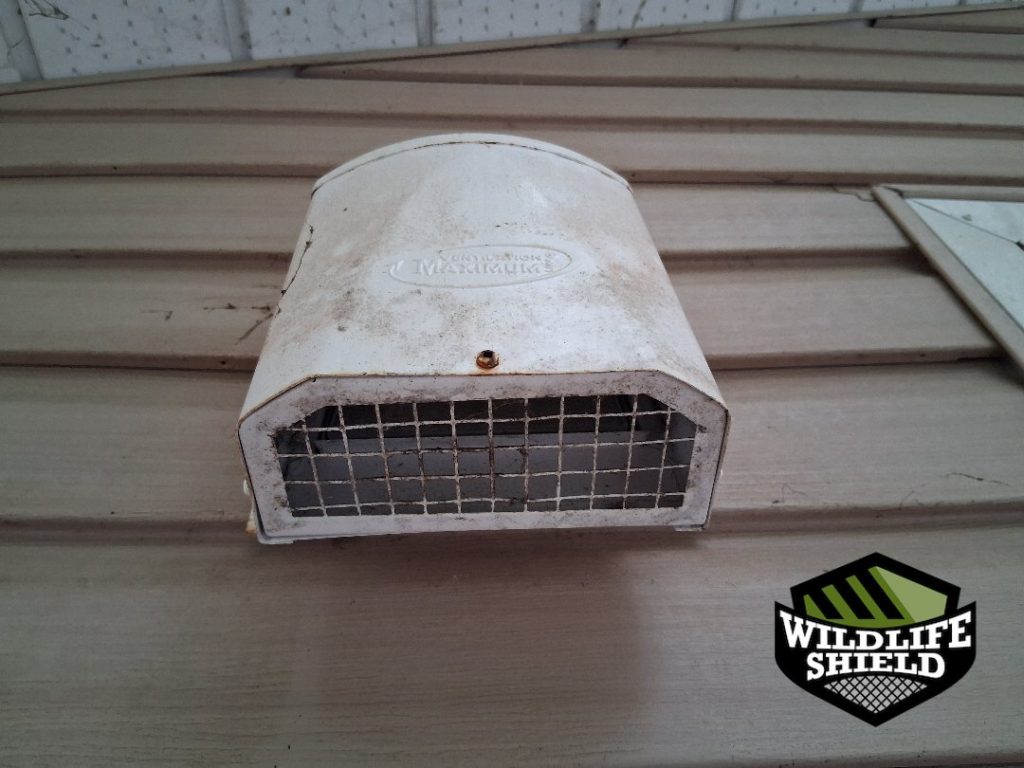
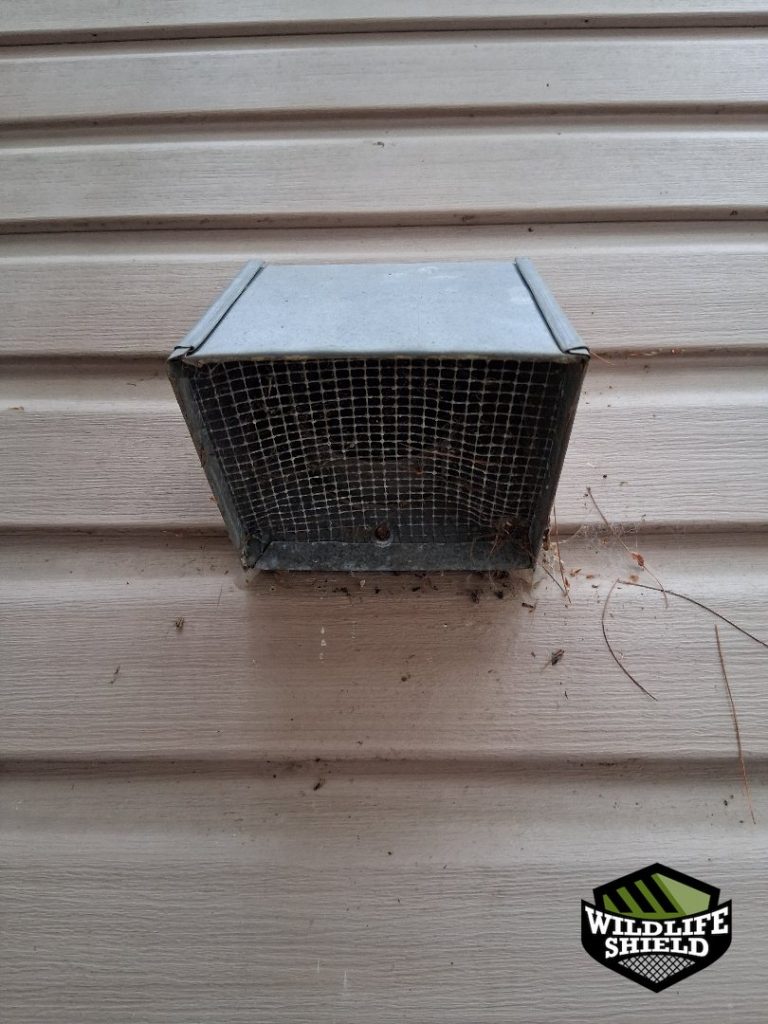
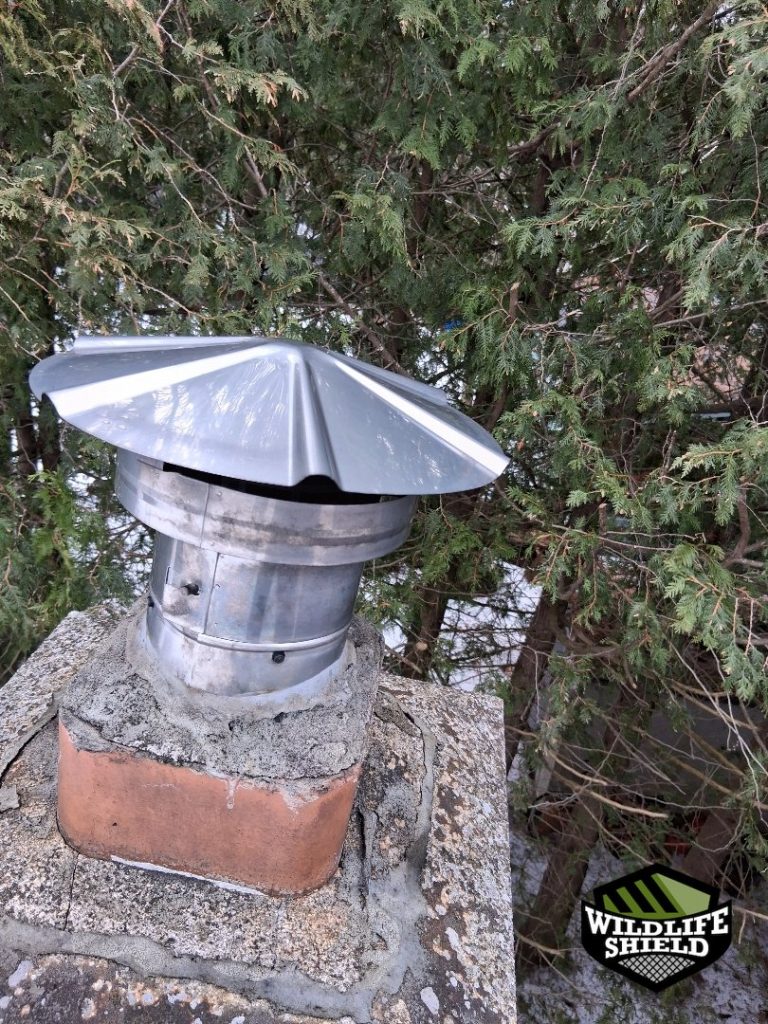
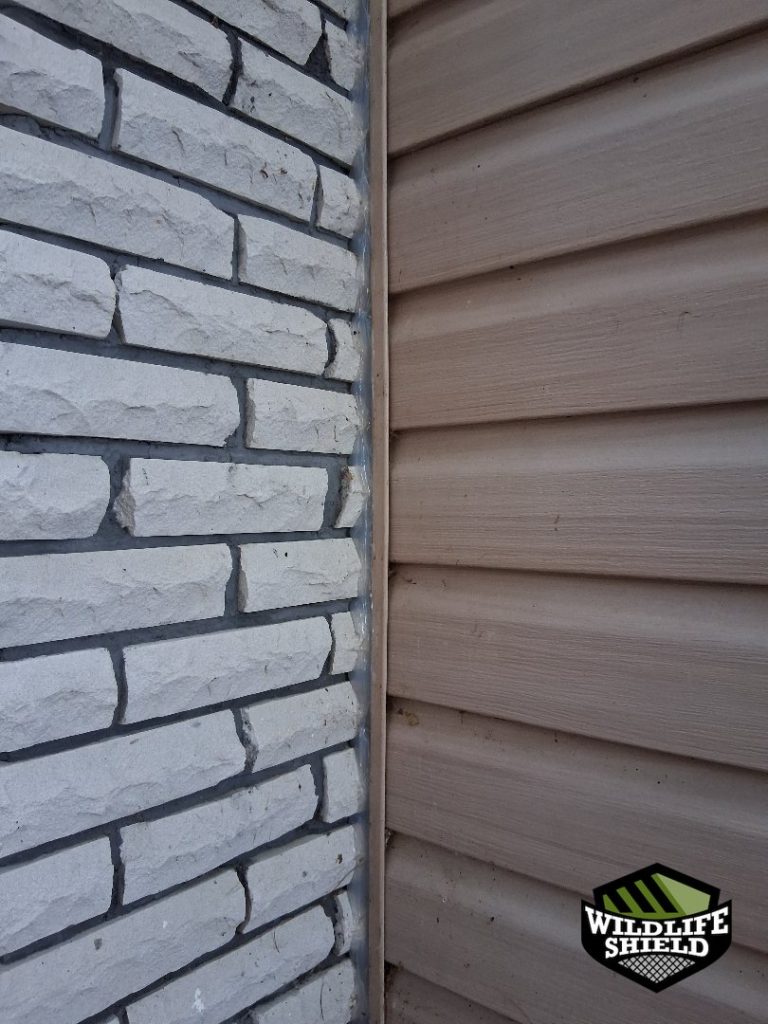
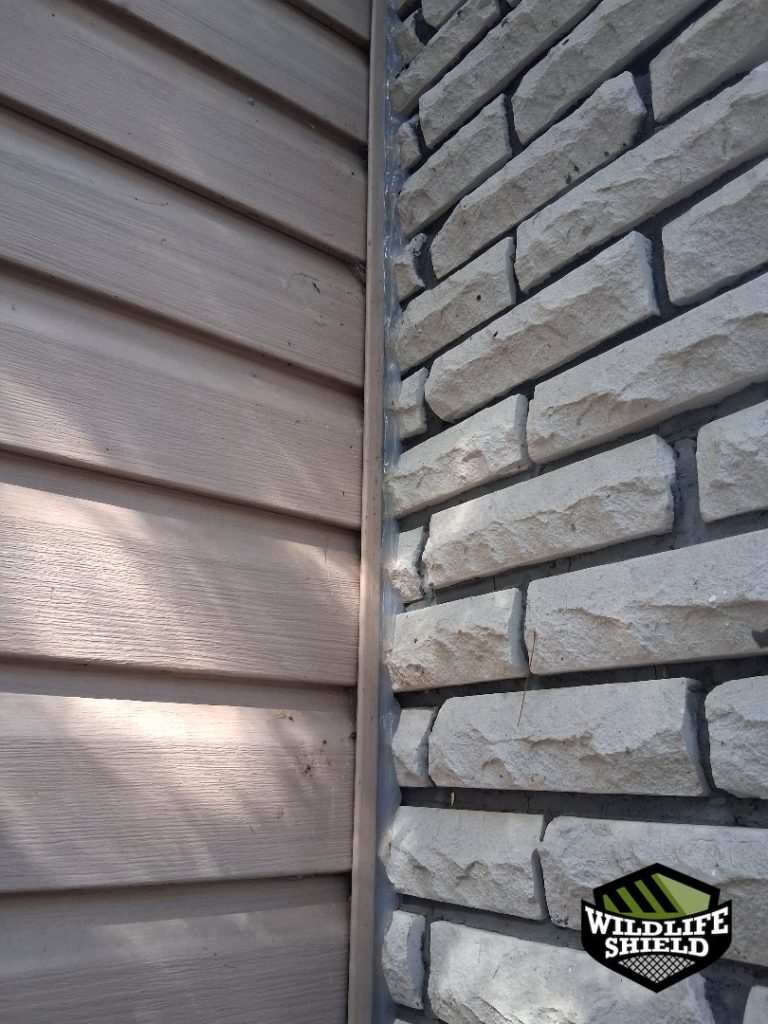
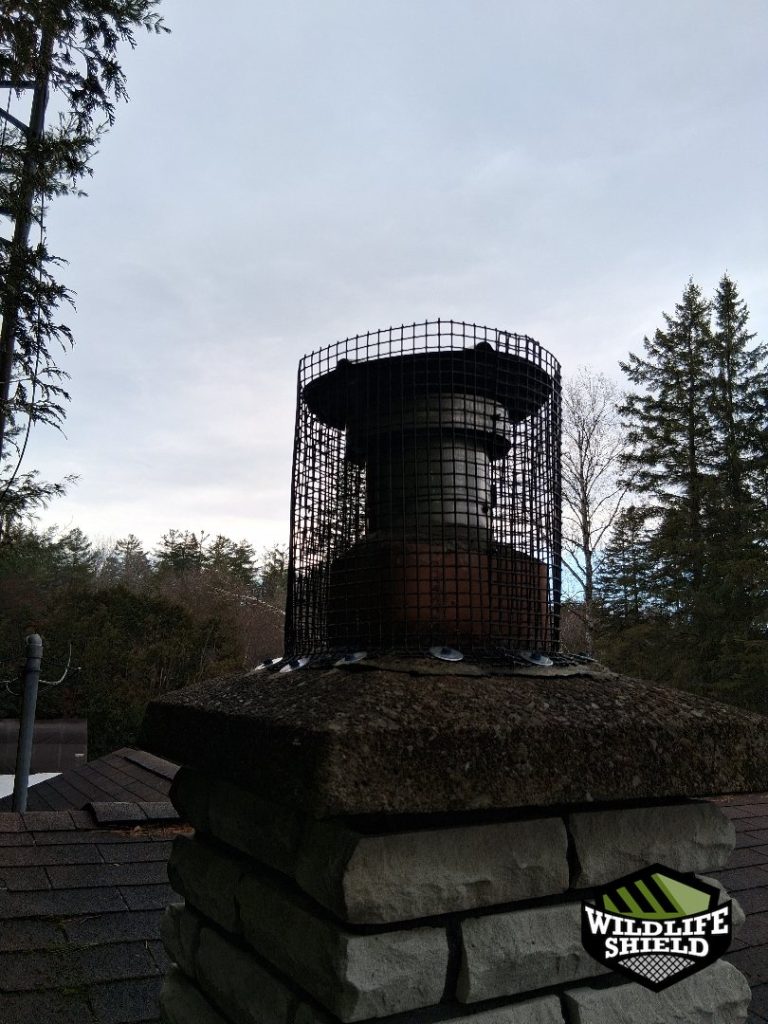
The inspection photographs show visible openings beneath roof shingles and roofline components, deteriorated sealant at exterior transitions, and accessible gaps where siding meets masonry. Additional photos show galvanized steel screening installed over the chimney and plumbing vent, as well as completed sealant repairs along brick and siding joints.
Cause Analysis
Bats commonly enter homes through narrow openings at roof intersections, flashing details, and gaps where different building materials meet. Small construction gaps can remain unnoticed for years and provide reliable access to attic spaces. Without comprehensive exclusion, bats may relocate to nearby openings after the primary entrance is closed.
Treatment / Removal
During the initial visit, Grant confirmed active bat activity and installed a one-way bat door over the primary entry point. This allowed the bats to exit naturally while preventing re-entry.
Once the homeowner approved the recommended exclusion work, permanent repairs were completed to secure the remaining vulnerable areas around the structure.
Exclusion & Repairs
The completed exclusion work included:
- Installation of a bat one-way door at the primary entry point
- Approximately forty-two feet of exterior caulking along brick-to-siding transitions
- Installation of galvanized steel mesh over the plumbing vent
- Installation of galvanized steel screening around the chimney opening
These repairs were completed to reduce the likelihood of future wildlife entry while maintaining ventilation where required.
Outcome & Confirmation
During the third visit, the homeowner reported no additional bat activity inside the home. Grant removed the one-way door, inspected the completed exclusion work, and confirmed there were no signs of continued wildlife access.
The final inspection verified that the exclusion measures remained secure and no further bat activity was reported.
Technician Notes
Grant confirmed the primary bat entry point during the initial inspection and recommended full exclusion to address additional vulnerable areas identified around the home. The staged approach allowed the bats to leave humanely before permanent sealing was completed. The final inspection confirmed the exclusion remained intact and the attic showed no further signs of bat activity.